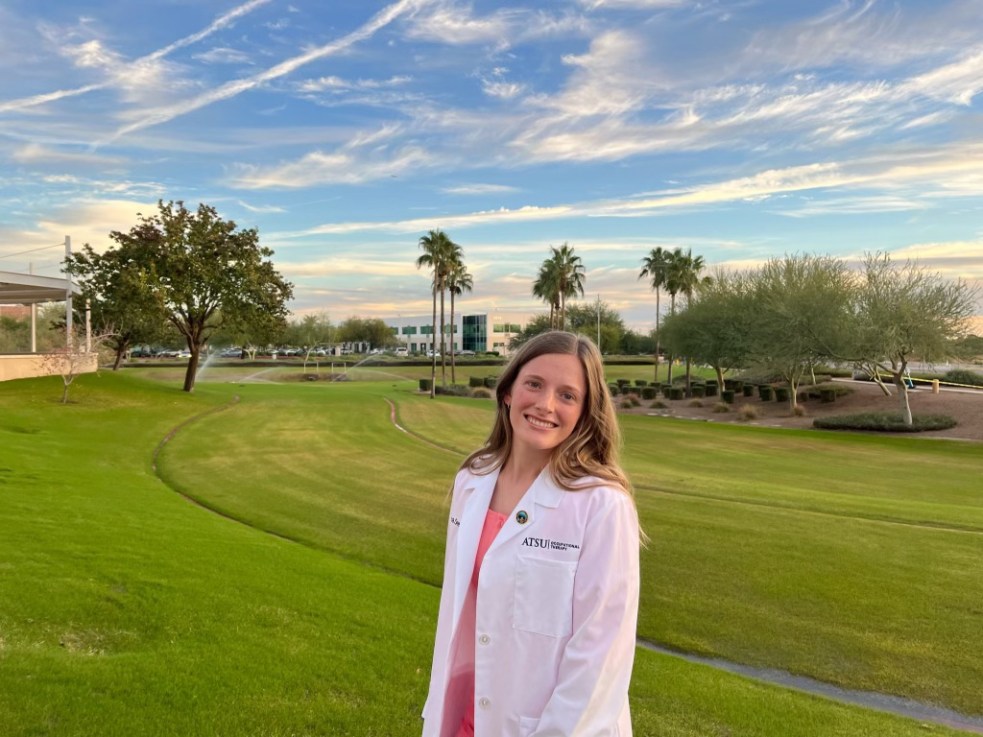
Occupational Therapy Speaks Mini Blog Series – CAPSTONE Edition Part 4: Meet Anna, OTD student!

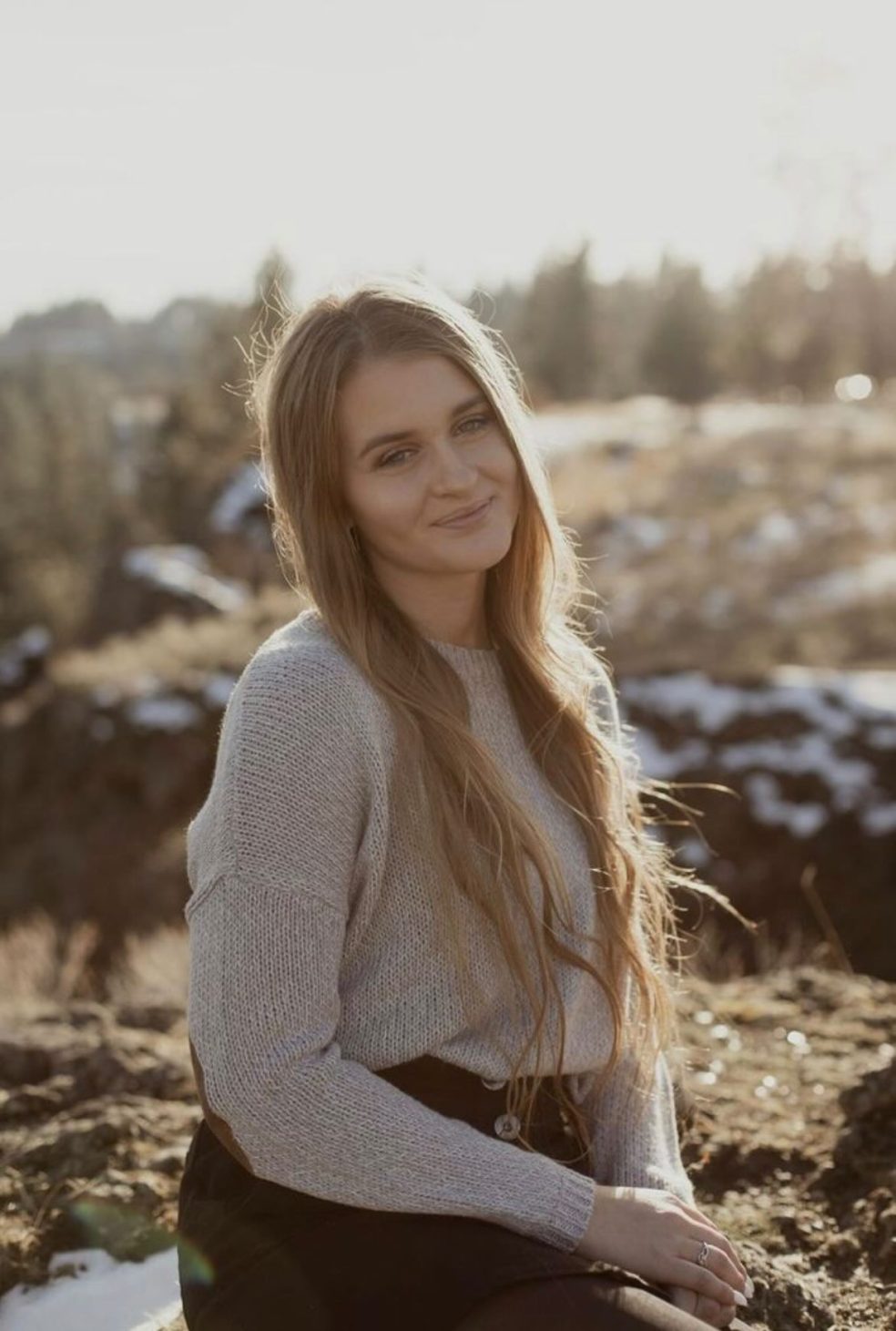
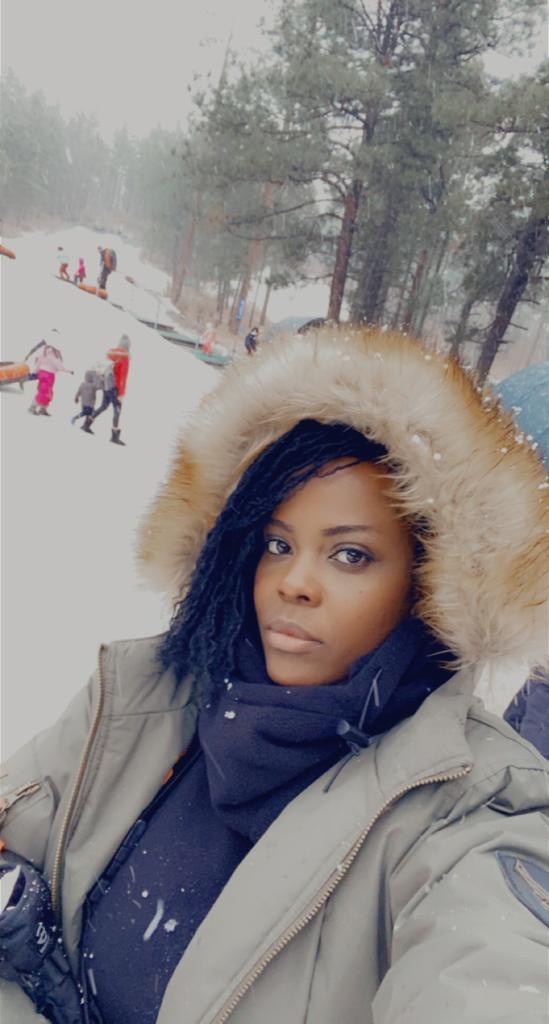
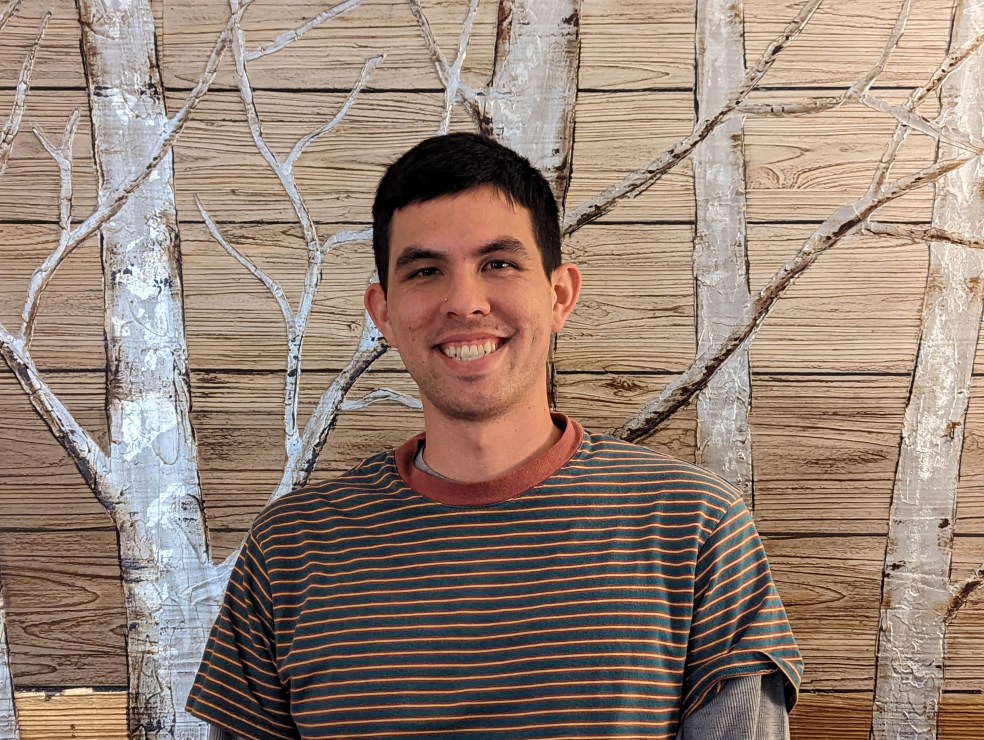
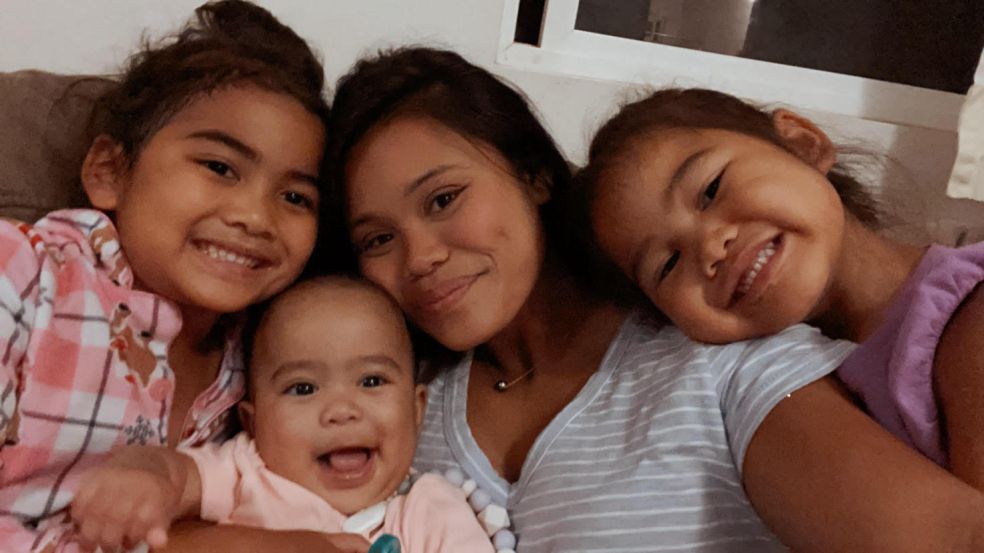
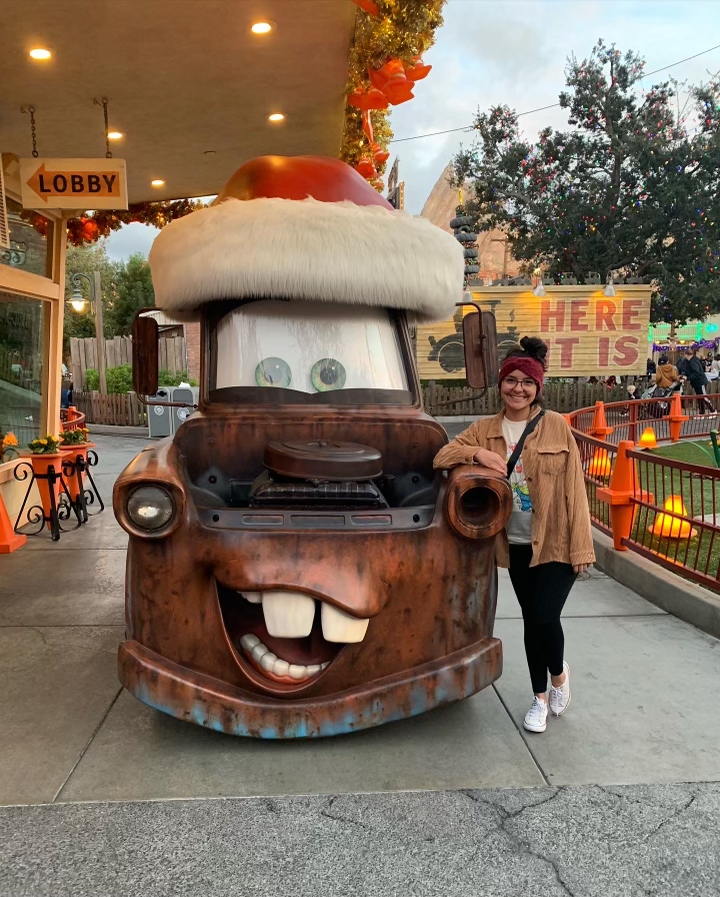
Hello, Renrenspeakers! I cannot believe it is the LAST SATURDAY of Occupational Therapy Month, let alone April! The month has just flown by like crazy! Part 4 of the Occupational Therapy Speaks mini blog series – CAPSTONE Edition has arrived! On today’s post, we will be learning about Anna, a super kind, warm-spirited colleague of mine who will be incorporating the arts into her capstone project! Today I am so excited to share her story on the blog!

IreneWhat is your name/pronouns?

Anna: Anna Seedall (she/her)

IreneGive us a quick synopsis of who YOU ARE! 

Anna: I am from Idaho Falls, ID. For the last few years, I have been attending school at A.T. Still University in Mesa, AZ. I have 5 sisters, no brothers. My sisters are some of my best friends (and worst critics). I grew up doing ballet and I love the discipline, structure, and grace that it provides. I enjoy hiking, trying new restaurants, paddle boarding, and going to concerts. 

IreneWhy OT? Tell us a little bit about how you found OT and what got you into this field.

Anna: A family friend recommended that I look into OT while I was in high school. She had a son on the autism spectrum and I loved interacting and engaging with him when they would come over. After figuring out what OT actually was, I was hooked. I loved how diverse and personal this profession is.

IreneChoose three words that come to mind when you think of occupational therapy. Define each word in relation to OT. Why did you choose these three words? 

Anna: Adaptable, creative, and inquisitive

  1. Adaptable- OTs are the most adaptable people I know. I can’t count the times that I have seen a therapist completely switch their session plan to better suit their client’s needs. This is such an important skill! Nothing ever goes as planned and being able to make changes based on what’s best for the client can make a session much more meaningful.
  2. Creative- It doesn’t matter if you are working in pediatrics or at a SNF, you have to be creative! Being able to create activities that are fun and unique to a patient can help build rapport and help them find more meaning in therapy. OTs can take a simple object in the environment and create an entire session to address their client’s goals. Creativity is one of our superpowers. 
  3. Inquisitive- Ever since starting OT school, I find myself asking a lot more questions. Some patients have a hard time opening up and learning how to ask good questions, so this is such an important skill in order to gain necessary insight into a person’s life. I also feel like the more questions we ask, the more clear the root problem becomes. Being a good OT means that we are going to be lifelong learners. By being inquisitive we can learn more about all the complexities of the world and our patients. 

IreneWhat is the most beautiful thing about OT to you? 

Anna: There are no limitations to what an OT can do or where OT can take place. We get to work with patients when they are sometimes at their worst and help them transform into the best version of themselves. Patients trust us with the intimate details of their lives and we get to play a role in their journey.

IreneLet’s delve into your capstone a little more. What is your capstone about, and what initially inspired you to pursue your capstone topic? 

Anna: For my capstone project, I created a sensory-based dance class. I started ballet at 7 years old and danced through high school. I always thought that the skills I learned in dance were much more than learning basic ballet positions and movements. The skills I learned carried over into all parts of my life. It challenged my mental flexibility (and physical flexibility). After watching a summer ballet camp performance for little girls after my first year of OT school, I thought combining OT and dance could be a unique way to combine two things I love and see how they can work together. After learning more about the sensory system in my pediatric class, I knew that specifically looking at how a sensory-based dance class could improve self-regulation was the route I should take. During my preliminary research stages, I realized how few opportunities children with sensory processing disorders or even adaptive needs had to engage in extracurricular activities, especially in my community.

IreneWhat has been one win during your capstone and one aspect that has been difficult for you during this capstone process? 

Anna: There have been several wins, it’s hard to narrow it down to just one! My class filled up within the first week of advertising, which meant that there was a need in my community for a project like this. Parents emailed me weekly answering questions about their child’s self-regulation skills after our weekly class. I have had some really positive feedback about how their child can better identify their emotions or engage in a breathing technique that we learned during class. It is super rewarding to see that they are learning and able to translate the skills into other settings. It is also such a big win to see how much fun my little dancers are having. They love coming and it’s so much fun to watch them engage with peers, improve in coordination, and gain confidence.

The hardest part has been creating an environment where everyone can thrive and enjoy class. Some of my students are sensory seekers and love running and making loud noises. Others are very sensitive to a lot of stimuli. Figuring out how to set up the environment and how to create and enforce boundaries that allow everyone to participate and have a positive experience has been a challenge. 

IreneFor future students pursuing their capstone journey, what advice would you give them? 

Anna: OT can fit anywhere and everywhere! Do something that you are interested in and passionate about. You spend A LOT of time researching, writing, re-researching, rewriting, and implementing your project. Don’t settle for an idea or placement that you are not excited about. Be willing to be flexible, everything will fall into place. Don’t stress too much about perfection, you will end up redoing and rewriting your project plan, needs assessment, and all the other components multiple times as things change. Your professor will help you fill in the missing gaps. This experience is something that should be uniquely you and set you apart from other students.

IreneWhat have you learned about yourself through your capstone experience?

Anna: I have learned that I am creative and that I am adaptable. There have been so many times that my class plan did not go as expected. But when there are 8 kids in a class, you have to be quick and creative on how to adapt the plan to keep everyone engaged and participating.

Irene:  What are your plans for the future of OT?

Anna: For now, I’m just excited to graduate, pass the board exam, get into the field, find mentors, and gain experience. I love that OT is a career where we will constantly be learning. As I learn more, I imagine that I will find issues, disparities, or topics that I am passionate about and will want to make a difference in whatever community or facility I am at. Ultimately, I think the most impactful way to revolutionize the field of OT is to help change a patient’s life, and that is an opportunity that we will have every day.

IreneCan folks connect with you to learn more about you/support you? If so, please drop your social media info and other creative pursuits down below!

Anna: You can shoot me an email at sa207133@atsu.edu or on Instagram @annaseedall!

Anna, thank you so much for sharing your story! Using your dance background as a ballerina to make an impact on sensory regulation for the kiddos in your home community is such a cool and unique take on expanding our roles as OTs. Dance is a great way to help regulate your system in general, so being able to incorporate your passions into this capstone experience is so beautiful. It seems like you made a strong bond with your participants, and that you learned a lot from them as well! Anna, your capstone just further illustrates how expansive OT can be and how our strengths and experiences can continue to help the clients that we work with engage in meaningful, important occupations.

Renrenspeakers, can you believe it? This is the end of the Occupational Therapy Speaks mini blog series – CAPSTONE Edition! I am so thankful that my peers were able to share their stories, journeys, and experiences as occupational therapists in the making with us on the blog. I am telling yall, these are pioneers who are already making an incredible mark in this profession. Please connect with each and every one of them, as they are a wealth of knowledge.

Continue to celebrate Occupational Therapy Month! If you know a person in OT, reach out to them and thank them for all that they do! Capstone students are some of the most influential, aspiring leaders of tomorrow, so if you are a capstone student, make your capstone project uniquely yours, like Anna said! 🙂 Till next time, Renrenspeakers!

Peace and love,

Irene
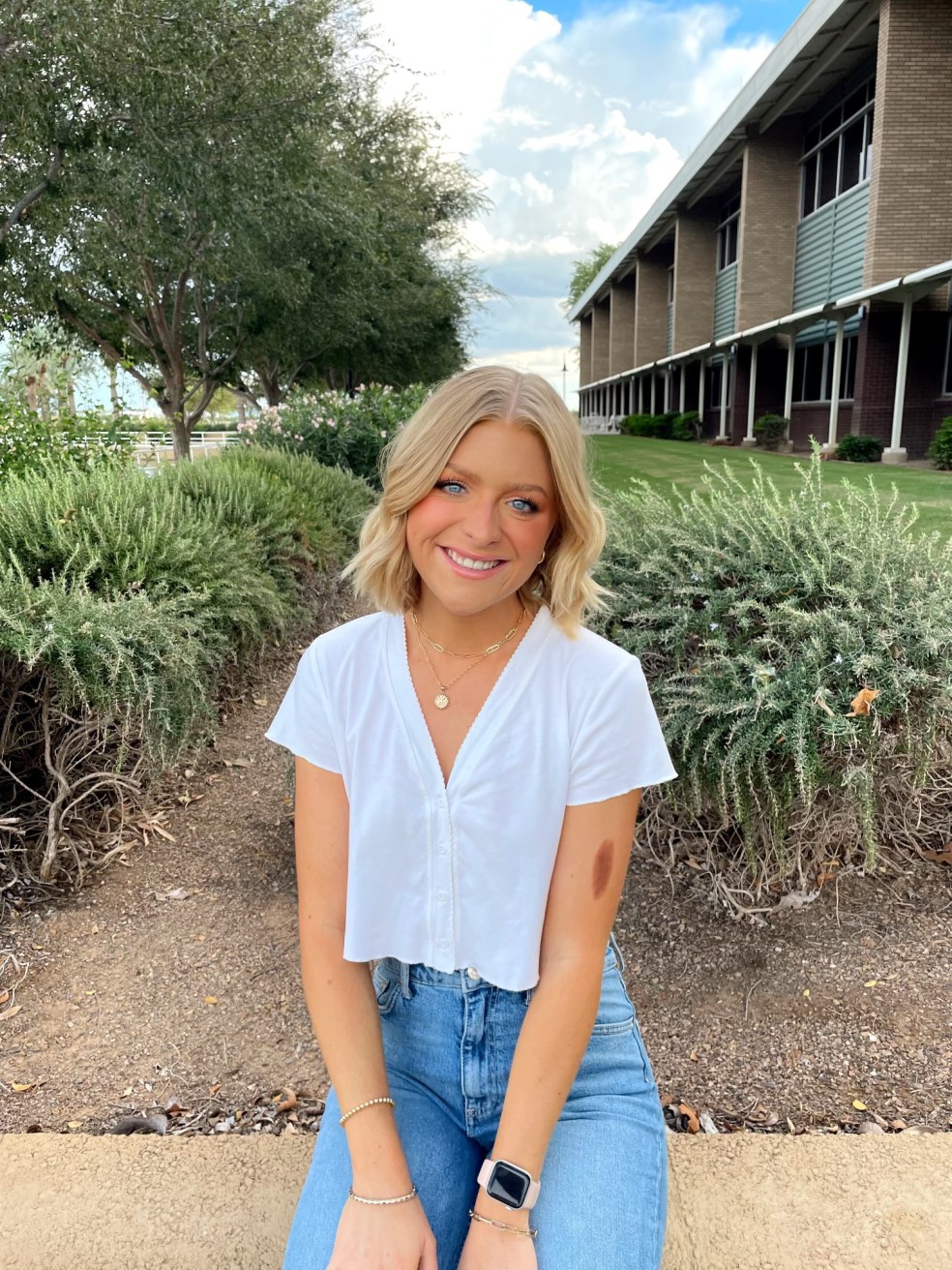
    Occupational Therapy Speaks Mini Blog Series – CAPSTONE Edition Part 3: Meet Kiley, OTD student!

    Hello, Renrenspeakers! Happy third Saturday of Occupational Therapy Month! April is just flying by! As you know, it is time for another inspiring blog interview. Part 3 of the Occupational Therapy Speaks mini blog series – CAPSTONE Edition is here! Today, we will be hearing about Kiley, a super down-to-earth, fun, and loving colleague of mine who had such a unique, cool capstone project. She always has a beautiful smile on her face, and her passion for the profession radiates through her everyday positive interactions. I am thrilled to share her journey today on the blog!

    IreneWhat is your name/pronouns?

    Kiley: Kiley Foster, she/her 

    IreneGive us a quick synopsis of who YOU ARE! 

    Kiley: My name is Kiley and I am a third-year OTD student at ATSU! I am from Tucson, AZ but in recent years have spent time in cities across the state including Gilbert and Flagstaff. I stayed local for college and attended the University of Arizona (beardown!) where I majored in Special Education and Rehabilitation with a minor in American Sign Language. Currently, I am in my final semester of grad school at A.T. Still University in Mesa, AZ, and am finalizing my capstone project. In my free time, I enjoy all things outdoors, especially hiking and skiing! I am passionate about fitness and became a group fitness instructor last year! I also love spending time with my friends and exploring new places across Arizona. I am so excited to be wrapping up OT school and entering this wonderful profession!!     

    IreneWhy OT? Tell us a little bit about how you found OT and what got you into this field.

    Kiley: I discovered the field of OT after my freshman year of college when I was looking to change my major. I originally entered college convinced I wanted to become an elementary special education teacher, but after a year, I realized that wasn’t the path for me. My mom, a former 4th/5th grade teacher, introduced me to their school’s OT, and after learning about her roles and doing further research into the OT field I was hooked. I was so inspired by the endless opportunities within this profession to work with diverse communities that I knew it was the profession for me! My experience prior to grad school was working with pediatrics, but during my senior year of college, my grandpa underwent open heart surgery followed by a stay in an inpatient rehab facility. Watching him go through this experience and working with his OT and PT further solidified my interest in this field and opened my eyes to the wide variety of opportunities to positively impact others!

    IreneChoose three words that come to mind when you think of occupational therapy. Define each word in relation to OT. Why did you choose these three words? 

    Kiley:

    Innovative – Occupational therapy promotes innovation at both the societal and individual levels as the profession advocates for societal changes in universal design and social inclusion for equal access for all, as well as exploring client-centered strategies to promote health, wellness, and participation in meaningful activities for all.   

    Holistic – We work with the whole person, acknowledging them from both the medical model and the biopsychosocial model. OTs take into account all aspects that make up the person in order to provide meaningful care that addresses their needs. 

    Inclusive – Providing a safe space for therapeutic interventions is an essential component of this profession. I value learning as much from others as I do providing services to them. This includes expanding on my cultural competence and disability etiquette to ensure all patients feel welcomed and valued.   

    IreneWhat is the most beautiful thing about OT to you? 

    Kiley: That’s a tough question because this profession is so special! I’d say having the opportunity to provide functional, evidence-based treatments in a client-centered manner that is meaningful for the patient is super unique and leaves us with endless opportunities for growth and learning.

    IreneLet’s delve into your capstone a little more. What is your capstone about, and what initially inspired you to pursue your capstone topic? 

    Kiley: My capstone is about the impact of individualized exercise programs on the perception of performance in winter adaptive sports! My site was High Country Adaptive Sports (HCAS) in Flagstaff, AZ. Prior to the on-site experience, I met with two recurring athletes from my site to develop an occupational profile. There, I administered a pre-survey, gathered quantitative measurements (range of motion/manual muscle testing), and determined their fitness goals. I then developed their exercise programs which they completed for 10 weeks before starting the ski season in January. After the adaptive ski season concluded, I administered the post-survey to assess if they felt any changes in their strength and endurance since completing the program. 

    I was inspired to pursue a capstone in adaptive sports after joining the adaptive sports special interest group at my school. There, I learned about opportunities to get involved with programs across Arizona, and HCAS was one of them! I was lucky to lock up my capstone site fairly early in the process and the rest is history!  

    IreneWhat has been one win during your capstone and one aspect that has been difficult for you during this capstone process? 

    Kiley: There were a few challenges that I encountered during this process. The first was working with a community-based site rather than a traditional clinical site. My supervisor was not an OT which was different than my prior rotations. My capstone experience was very self-directed which was intimidating and overwhelming at the start. It proved to be a great opportunity to grow in self-advocacy as I learned to speak up about my needs and interests! 

    Additionally, one of my two participants chose not to finish the program which was difficult to navigate. Adherence to exercise programs is a major limitation in the available literature which was reassuring and will be what I report on in my final paper.  

    IreneFor future students pursuing their capstone journey, what advice would you give them? 

    Kiley: Spend time in your first year exploring your interests! Even if you are not sure about something, don’t be afraid to give it a try! If I wouldn’t have joined the adaptive sports group I would have never discovered my capstone site! Get involved in organizations at school because you will likely be introduced to new passions and interests! If you decide to go to a community-based site, be sure to solidify a plan and detailed objectives to ensure you have the guidance necessary to both fill your time as well as offer meaningful services to your site. 

    IreneWhat have you learned about yourself through your capstone experience?

    Kiley: I have learned that I am capable of handling change and can use unforeseen circumstances as motivation to explore alternative options. Things may not go according to plan and that’s okay!!! I also learned how to ski and became an adaptive ski instructor which was a bonus!  

    Irene:  What are your plans for the future of OT?

    Kiley: My future plans are still up in the air! Despite thinking I wanted to work with peds after OT school, I’m leaning more toward working with adults. I’m fairly open to what setting I start in. Maybe a SNF, inpatient, or acute? I also got to work with a lot of veterans during capstone and would love to do more of that in the future! Long story short, I don’t really know yet lol but I am excited to start the job hunt! All I hope is to find a job that I enjoy! 

    IreneCan folks connect with you to learn more about you/support you? If so, please drop your social media info and other creative pursuits down below!

    Kiley: Yes definitely! Reach out anytime! Email: kileyfoster99@gmail.com or Instagram: @kileyfosterr  

    IreneAnything else you want us to know about you or anything you want to share with the readers? Feel free to drop it down below! 

    Kiley: Thank you Irene for this opportunity!! You’re the best ❤ 

    Kiley, thank you so much for sharing your beautiful journey to becoming an OT! Honestly, I really never heard anything about adaptive sports before coming into grad school, and I have learned so much about this very niche, significant area of practice through our prior conversations. I think it is fascinating that through the expansive connections that grad school can provide us, you were able to find your dream site. You emphasize why it is so important to network and join organizations because you never know who you will meet and where they will take you! Adaptive sports is inclusion at its finest, as people with all abilities should be able to still partake in their favorite occupations such as sports in this case, while eliminating as many environmental barriers as we can as OTs assisting this population. I agree with you when you say that working for a community-based site rather than a traditional clinical site presents with some differing challenges. However, I honestly believe that this opportunity allows us to further advocate for OT in a creative way that forces us to be self-starters, leaders, and pave our own roles and positions. Clearly, there is value of OT being immersed in these community-based sites, as you marvelously highlighted using your capstone journey as a prime example. Also, the fact that you learned how to ski during capstone while simultaneously becoming a ski instructor is SO cool! Sidebar – you being a group fitness instructor is so fun and I would love to attend one of your classes one day! 😉

    That is a wrap on the third blog interview for the series today! If yall want to continue to make strides in the world of adaptive sports, Kiley is that girl! Don’t forget that she is a ski instructor AND a fitness instructor – what can’t she do? Next week marks the LAST interview of the series (so sad!), so don’t miss it! Part 4 of the Occupational Therapy Speaks mini blog series – CAPSTONE Edition will be dropping next SATURDAY! Until then, stay blessed and don’t forget to follow the Renrenspeaks Instagram page if you haven’t already for updates!

    Peace and love,

    Irene

    Occupational Therapy Speaks Mini Blog Series – CAPSTONE Edition Part 2: Meet Marisa, OTD student!

    Hello, Renrenspeakers! Happy second Saturday of Occupational Therapy (OT) Month, meaning that the best announcement of your day has arrived! I am back with part two of the Occupational Therapy Speaks mini blog series –CAPSTONE Edition who will be led by Marisa, a fabulous OTD colleague sharing her amazing capstone project with us! Marisa is someone who is SO dope, calm, and collected. She radiates such positive energy and was always the student in class who asked such innovative, thought-provoking questions that challenged me and made me think outside the box. Her curiosity and advocacy for the OT profession does not go unnoticed, so I am so excited to share this superstar’s story today!

    IreneWhat is your name/pronouns?

    Marisa: My name is Marisa Lamb and my pronouns are she/her/ella AKA that girl  

    IreneGive us a quick synopsis of who YOU ARE! 

    Marisa: I am a 26 year old who is enthusiastic about her present and her future. I am a woman who has stepped into many new roles lately – I got engaged in 2022, I became a mother in 2023 while in grad school, and I will be a Doctor of Occupational Therapy in 2024! God is so good!! 

    IreneWhy OT? Tell us a little bit about how you found OT and what got you into this field.

    Marisa: I was exposed to the career of OT while I was in undergrad at Franklin Pierce University in New Hampshire. It wasn’t until I began shadowing that I was exposed to the craft of OT, and immediately it clicked for me. There was something about incorporating the textbook knowledge of anatomy and physiology with psychosocial aspects of a person to provide ‘whole person’ therapy that my brain loved! I was always interested in healthcare careers but was never clear on what path I would choose. After shadowing OTs in the field and understanding what OT school would teach me… it was a no brainer! 

    IreneChoose three words that come to mind when you think of occupational therapy. Define each word in relation to OT. Why did you choose these three words? 

    Marisa:

    Practicality. To be practical means that you are concerned with the actual doing of something or that you are likely to succeed or be effective in real circumstances. Occupations are used as a means of therapy. There will be no guessing when you have completed treatment, on the patients end or the therapists end. It will be clear whether or not a daily task can be done with safety and independence because we have practiced it! We have gone through it! We use occupations to rehabilitate. We help you learn by doing. 

    Strategic. To be strategic means that you keep long-term aims and interests in mind. As OTs, we keep the patient’s occupational goals in mind as we build new skills and relearn skills that may be hard to perform. We recognize the barriers that make skills difficult to acquire and pinpoint where we can intervene. We use evidence and assessments to back up our decision making. This also serves as a follow up word to my first word. I will not make you perform a complex task without being sure you can perform the foundational skills required to carry out that task. Say it with me, OTs – (sparkle emoji) activity analysis (sparkle emoji).

    Potential. I think as a profession, we are just beginning to make our mark in the healthcare world. The OTs currently in entrepreneurship have really set the tone for just how successful and rewarding this path can be when it’s all said and done. I see potential for entrepreneurship to saturate the profession and allow for OT intervention to be provided in a way it might not have been within the modern healthcare model. 

    IreneWhat is the most beautiful thing about OT to you? 

    Marisa: The practice recognizes the importance of treating with a whole person mindset and emphasizes the goals/wants of the patient. I received lactation consulting until my son was 5 months old. I was able to feel and pinpoint the difference in approach when I had an OT help me through this time in my life. I felt heard, understood and validated all while informed and educated about the new things I could expect with breastfeeding and motherhood. OT allows therapists to address all possible factors in order to reach client satisfaction.

    IreneLet’s delve into your capstone a little more. What is your capstone about, and what initially inspired you to pursue your capstone topic? 

    Marisa: I like to break down my capstone into all of its moving parts because I had many projects taking place during this time. 

    1. I sent out a survey to MSOT and OTD students across the nation with the purpose of understanding students’ levels of entrepreneurial self-efficacy. In other words, how well do OT students believe that they can carry out certain demands that require entrepreneurial skills?
    2. This idea then gave way to the power of belief and the power of believing in your capabilities. I spent 14 weeks reading a psychology textbook by Albert Bandura titled Self-Efficacy, the Exercise of Control. This read really helped me inform the items I was to include on my national survey as far as their wording and their format. But, this book also helped me self-reflect and think about the power of my own beliefs – something that has to be solid as I plan to embark on the entrepreneurial journey. 
    3. I gave a presentation on the logistics of independent contracting (IC) as an OT to the OTD class of 2025 in OTDE 6440 (a business course) at ATSU under the support of my community mentor, Dr. Adam Story. My main goal with this presentation was to introduce the idea of being a sole member business and the different ways it can be incorporated into our careers. It included the first steps on becoming one, the rules and regulations tied to IC in Arizona, and highlighted the differences between employee and independent contract work. This information was something that I was able to learn myself. I made it clear that I have no IC experience, but I am so passionate about planting seeds. I simply shared knowledge that was not received in our curriculum but I felt could be really helpful, even if it isn’t something someone would consider now. If 10 years from now they say, “Mmm, I remember that idea, maybe I should look more into it,” then cool!! DOOO IIIIIT!
    4. I am currently helping my community mentor revamp the financial portion of the business plan assignment for increased understanding by students. 
    5. I am currently curating a booklet of infographics that detail entrepreneurial resources that student’s can keep in their “OT Toolbox”. 
    6. I am taking a CEU course taught by Sarah Thomas, titled Shifting Your Mindset: An Introduction to Entrepreneurship for OTs. I have never been more inspired by an OT. Sarah Thomas really highlights how we can modernize and value our OT skillset in order to provide services in non-traditional spaces. I absolutely love her!!! On top of this course, I have also been binging all the free content I can find. Doug Vestal has really been a go to! His Youtube account is filled with great videos you can access for free. I also recommend signing up to newsletters on his website freedomofpractice.com. These are emails sent to you full of great advice. 

    IreneWhat has been one win during your capstone and one aspect that has been difficult for you during this capstone process? 

    Marisa: I will say that I was able to answer the questions I had when I first started capstone. How do I go about starting a business? What are the steps? I read, I searched, I consulted, I asked questions. I feel equipped in the sense of knowing what rules, regulations and processes I have to abide by when first getting started and feel that I know what resources are available to me should I have any questions. 

    Because my capstone’s focus is on entrepreneurship, it was very difficult to not get ahead of myself. I had the space and time to come up with business ideas and reflect on my passions, but I would have days where it all felt premature. I have no experience as a licensed clinician just yet and I was a bit overwhelmed at times. I have had to learn how to pace my mindset in all of this and shift my perspectives. 

    IreneFor future students pursuing their capstone journey, what advice would you give them? 

    Marisa: The capstone in its essence is entrepreneurial. Use the time and opportunity to start doing something within your OT interests and make it something you can enjoy! I just watched a video titled Make the OTD Capstone Matter through Sarah Lyon’s OTPotential channel on YouTube. She states that “doctoral students are uniquely prepared for more diverse job opportunities, and sometimes jobs are even created due to the clear value of the capstone experience.” Check out her podcast episode here: https://otpotential.com/ceu-podcast-courses/making-the-otd-capstone-matter

    IreneWhat have you learned about yourself through your capstone experience?

    Marisa: Being a mom and being a wife and being a doctoral student all at once some days makes me tired but most days, if not all, makes me disciplined. Self-directed and self-initiated learning can still happen even when life seems too busy. 

    Irene:  What are your plans for the future of OT?

    Marisa: I will become a CHT (certified hand therapist) but I have become okay with working towards this goal while working in a setting that isn’t strictly an outpatient hand therapy setting. I simply want to be exposed to as many diverse clinical experiences as I can. I want to absorb and take note of all the current issues that patients are facing so that I can directly provide solutions through my own entrepreneurial endeavors, come time. 

    On top of the clinical nature entrepreneurship dreams, I also have dreams to contribute to the diversity within the OT profession. The election of the new AOTA president, Dr. Arameh Anvarizadeh, in my opinion, really sets the tone for the trajectory of a diverse, OT workforce. In order to adequately serve the nation’s population, our workforce must be a reflection of such demographics. I am a Hispanic woman and I have volunteered at ATSU for the Dreamline Pathways program. I want to continue outreach to Hispanic students through programs such as Dreamline Pathways and simply expose them to the idea of OT. Plant seeds and let them grow. 

    IreneCan folks connect with you to learn more about you/support you? If so, please drop your social media info and other creative pursuits down below!

    Marisa:

    Instagram: @thatotgirly 

    Irene: Anything else you want us to know about you or anything you want to share with the readers? Feel free to drop it down below! 

    Marisa: If there are any mothers or soon to be mothers who will have a child during ANY grad school/college program, please reach out to me. I would love to connect with you and share solidarity. 

      God bless! And thank you Irene for considering me to be a part of your fantastic blog. Love!

          First of all, Marisa is really THAT GIRL yall, as you can witness through this beaming interview! Becoming a mother during such a rigorous time like OT school is not for the weak. I commend people who are able to become parents, especially mothers, during grad school and STILL can do it all! You defined OT SO WELL. I feel that I stumble sometimes explaining a clear definition of the scope of our profession, but I especially loved your word, practicality, to help the readers better understand OT! Occupations are the means of therapy, which makes this field especially unique! Marisa, you have learned a TON during capstone! Your capstone is especially unique because you did a ton of independent study and poured into your own OT cup in order to maximize your learning and service. Thank you for dropping all of these free gems on entrepreneurial resources that you found helpful. I will for sure have to check them out myself! I also admire the fact that you emphasized how your views and perspectives on starting a business has wavered and shifted during capstone. From personal anecdotes that I hear, it is not an easy thing to start a business, and it is something that you have to remain persistent and open-minded in pursuing. Some days will be more challenging than others, but if you have the drive and a good support system around you, I think it helps tremendously with the process. Last thing I want to comment on – YES, the capstone experience itself is entrepreneurial in nature! Thank you for acknowledging that! This is a unique opportunity where we can make our passion projects come to life and cultivate job opportunities for ourselves. I am so excited that OTs of COLOR are out here like Marisa who are paving the way to become entrepreneurs! Let’s make that impact and that money now! 🙂

          Marisa’s blog interview just further validates the fact that OTs deserve to become entrepreneurs, yall! Especially in today’s economy where a lot of the times our role is not recognized and valued the way it should be, we should be encouraged to be self-starters and take control of our own careers. Marisa is definitely a person to keep in your circle because she is already spreading the narrative that we as OTs are entrepreneurs. Y’all can learn a lot from her through her experiences and newfound knowledge. Kind reminder that part 3 of my Occupational Therapy Speaks mini blog series – CAPSTONE Edition will be dropping next SATURDAY featuring another dear OTD student and colleague of mine! Don’t miss it! 😉

          Peace and love,

          Irene

          Occupational Therapy Speaks Mini Blog Series – CAPSTONE Edition Part 1: Meet Kenzi, OTD student!

          Hello Renrenspeakers! Happy first Saturday of OT month! The series is in full effect! Before we dive deep into this interview, I want to give yall a few abbreviations! OTD stands for Doctor of Occupational Therapy, and OT stands for occupational therapy. I will use these terms from here on out, so you can add these acronyms to your pocketbook.

          The first person that I have on the blog spearheading the Occupational Therapy Speaks mini blog series – CAPSTONE Edition is my bright colleague, Kenzi! Kenzi is a rockstar, has a plethora of knowledge, and is always on top of her game. I am so honored to showcase her story today!

          IreneWhat is your name/pronouns?

          Kenzi: Kenzi Kuemper, (She/Her)

          Irene: Give us a quick synopsis of who YOU ARE! 

          Kenzi: My name is Kenzi Kuemper and I am a 24-year-old doctor of occupational therapy student at A.T. Still University, specializing my studies in women’s and pelvic health. I absolutely love working with pelvic health patients because it is something I have struggled with throughout my own life but also something I have watched family members struggle with, especially during and after pregnancies. As a young high school athlete, I struggled myself with stress incontinence (occurs with laughing, sneezing, jumping, running type of activities). As a young teenager, this was embarrassing to have happen. It was not something I wanted to talk about, let alone seek help for (I now know that 34% of young female athletes report struggles with incontinence). Later in my early college years, I began developing chronic pelvic pain and UTIs/ UTI- like symptoms (these symptoms, especially in conjunction are indicative of pelvic floor dysfunction). I came to find out just a few years later when looking into pelvic floor therapy that I had a chronically overactive pelvic floor causing these issues for me. 

          Pelvic floor (PF) dysfunction can be embarrassing, depressing, and anxiety-provoking. I share my story with MOST of my patients in hopes to let them know that they are not alone because this topic is so taboo – no one talks about these things. It is so important for me to let them know they aren’t alone in these struggles and that many PF issues are VERY treatable.

          Irene: Why OT? Tell us a little bit about how you found OT and what got you into this field.

          Kenzi: During my undergraduate studies, I did not know whether I wanted to be an OT or a PT. After further investigation, I recognized OT’s role in mental health and fell in love with the idea behind the profession. During my undergraduate education, I minored in psychology and disabilities studies and thereby had a great appreciation for mental health knowing that it was something I would want to help with in my future career.

          Irene: Choose three words that come to mind when you think of occupational therapy. Define each word in relation to OT. Why did you choose these three words? 

          Kenzi: Engagement, Mind-Body-Spirit, Wellbeing

          I believe occupational therapy is unique in that we are looking at ALL aspects of what makes up a person including their environment, motivations, cognitive abilities, movement patterns, and even routines. Therefore, collectively occupational therapists enable engagement, not merely mobility, and this encompasses the very activities that foster health and wellbeing.

          Irene: What is the most beautiful thing about OT to you? 

          Kenzi: The most beautiful thing about occupational therapy to me is the connections and relationships we are able to build with our patients. In the world of pelvic health, I have worked with so many people who had just been putting up with their symptoms for years because society has led them to believe that what they are going through is “normal.” I am a huge advocate for the statement “just because it is common does not make it normal.” AND – most pelvic floor conditions are treatable, and if not, made more manageable with pelvic floor evaluation and intervention. 

          Irene: Let’s delve into your capstone a little more. What is your capstone about, and what initially inspired you to pursue your capstone topic? 

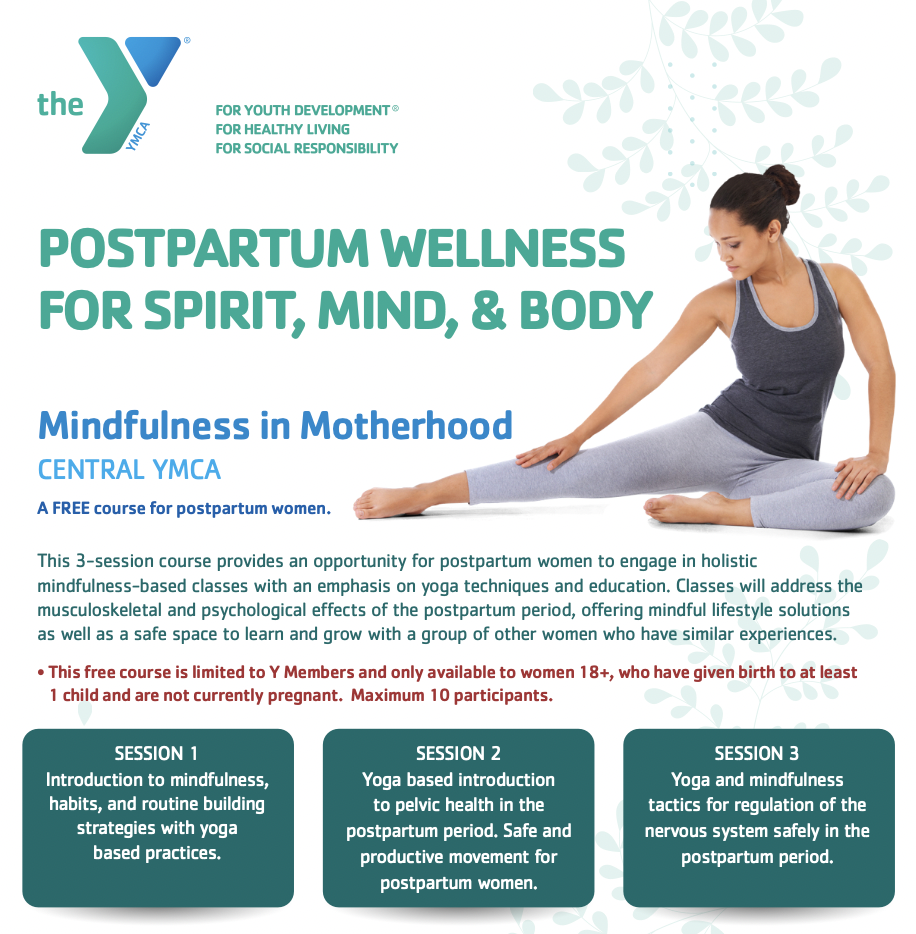
          Kenzi: My capstone project consisted of a 3-part class for postpartum women that was yoga based but also educational in nature. During class one, we discussed time management, habits, and routines and taking on the new role of a mother, identifying helpful and harmful habits and routines to create and cultivate their “ideal day” versus their “typical day.” During class two, we discussed breathing techniques as they relate to the pelvic floor along with common misconceptions surrounding pelvic floor dysfunction. In addition, class two covered functions and dysfunctions of the pelvic floor, when to seek help, how to seek help, and recommendations for pelvic floor therapists in the area. Lastly, class three discussed nervous system regulation and the benefits of knowing how to identify and move in and out of sympathetic and parasympathetic states. 

          I was inspired to work with postpartum women for my capstone project because of the research supporting how drastically underserved this population is in the United States. One of the most astounding facts I have come across is that the U.S has the highest rate of maternal mortality compared to any other developed country because of how poor postpartum care is here. In addition, mental health conditions go underdiagnosed and undertreated in this country every year because there is typically only a measly 6-week check up postpartum in comparison to other countries who offer automatic 12 weeks of pelvic floor therapy and paid time off from work to care for their newborn children.

          Irene: What has been one win during your capstone and one aspect that has been difficult for you during this capstone process? 

          Kenzi: Overall, my capstone project has been a great learning experience and opportunity for me to meet, connect with, and learn from postpartum women and their experiences. I have had the unique opportunity of hearing their stories and struggles, but also their joys and wins in motherhood which has been invaluable. 

          One difficult aspect of my capstone experience has been very low attendance in all of my classes. I had 10 open seats in each class and though 5-6 people had signed up, I was lucky to see 1-2 of them. However, I think this is a reflection of the realities of mom life and that while they may sign up for something with the intention of participating, it doesn’t always work out in their favor. 

          Irene: For future students pursuing their capstone journey, what advice would you give them? 

          Kenzi: My advice to future students is (1) never take anything personally throughout this experience, and (2) remember that this is where you are starting – not everything needs to be perfect!

          Irene: What have you learned about yourself through your capstone experience?

          Kenzi: I have learned a lot about myself during my capstone experience. However, I would say my biggest lesson thus far is that I am more versatile in my skills than I know.

          Early on in this experience, I had my main site contact step away from the project as she did not have time to be a part of it anymore. I was leaning on her a lot for the outcomes of this project as she was a trained trauma informed yoga instructor. However, I was able to pivot, even teaching a class on my own (not as a trained yoga instructor), until I was able to find others to take her place.

          Irene:  What are your plans for the future of OT?

          Kenzi: Once I am finished with school and boards, I am planning to work for a company in Spokane, Washington called Lake City Physical Therapy. They are an all women’s health clinic that treats male and (mostly) female pelvic floor dysfunction as well as post op mastectomy care for lymphedema. I completed my second level II fieldwork with this company and absolutely loved my time there. 

          Irene: Can folks connect with you to learn more about you/support you? If so, please drop your social media info and other creative pursuits down below!

          Kenzi: Absolutely!

          Instagram: @prettypelvis 

          Tiktok: @itsjustkenz

          Kenzi, your passion for pelvic health awareness and access exudes throughout this entire interview. Thank you so much for your vulnerability, as it is not easy to share the more intimate parts about ourselves. I think your personal anecdotes makes you entering this niche of OT even more special, as you will find that you relate to your clients on a very personal level. I love your holistic perspective of OT, and I especially love that you emphasized that it is not merely all about mobility because we do SO many things and are experts in seeing how these different domains of the personhood contribute to overall engagement. Your capstone is SO important because the numbers regarding high maternal mortality are so stark. When you conflate that with different intersections of identities, that number continues to skyrocket! Increased knowledge regarding pelvic health is critical and can save many lives as well as increase the quality of lives for postpartum mothers. You are really a go-getter because being able to pivot and take on the role as a yoga instructor yourself when you did not intend to do that is difficult! It appears that you pulled it off very well. And lastly, congrats on the job opportunity that you have lined up! You go, girl!

          I hope that Kenzi’s blog interview taught you about one area of OT that we are so qualified to be in and inspired you to spread the word about this critical need for people with pelvic floors (so everyone)! Check out her socials as well – she always drops great gems in an aesthetically pleasing format! Stay tuned for the NEXT beautiful OTD student that I will be highlighting next SATURDAY for Part 2 of my Occupational Therapy Speaks mini blog series – CAPSTONE Edition!

          Peace and love,

          Irene

          Occupational Therapy Speaks – CAPSTONE Edition: Mini Blog Series Loading!

          Hello, Renrenspeakers! Happy first of April and happy first day of Occupational Therapy (OT) month! To my occupational therapy practitioners (OTPs) out there, y’all ROCK, and the world is so blessed to have you in this field! Occupational therapy, as you will learn, is a beautiful profession that focuses on the person as a whole and aims to help people of all diverse backgrounds and identities achieve independence through engaging in meaningful occupations, or activities.

          To celebrate this month, I have such a fun mini blog series that I will be launching! This month’s series is called Occupational Therapy SpeaksCAPSTONE Edition. I have the honor of teaming up with some of my fabulous colleagues who will be sharing their passion areas within OT. Every Saturday, a new interview will be featured on the blog, so make sure that you stay tuned each week to read their incredible stories. We are wrapping up our doctoral capstone experience, so these interviews will focus on the niche areas of OT that is currently being advocated for through their capstone. I am so in awe of my colleagues’ wealth of knowledge that they will be sharing with us on the blog!

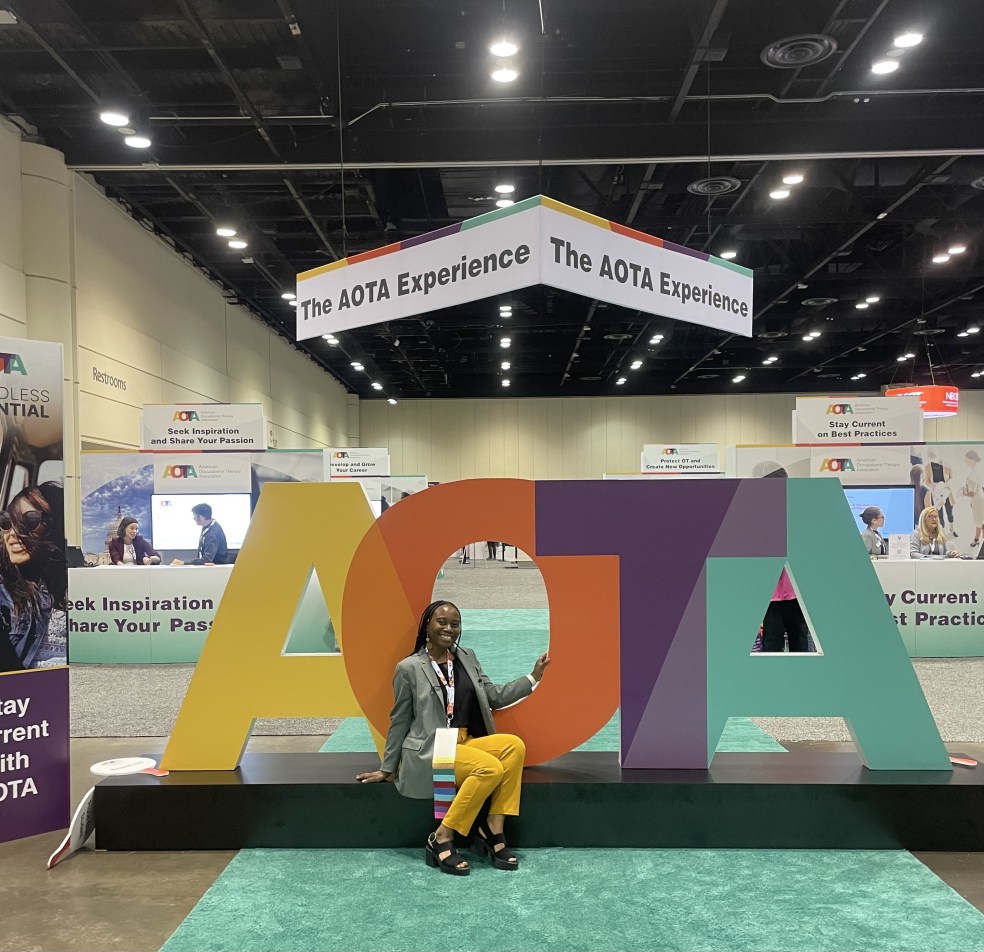
          Also, I want to give yall a little background about this cover photo for today’s post. I had the privilege of attending the national American Occupational Therapy Association conference this past weekend. I sat in on so many sessions spearheaded by many inspiring OT folks who are still in school or are currently practicing in the field. I felt revived knowing that there are people who want to revolutionize this field so that it is a more inclusive, equitable space for all people. I was able to take a picture behind these famous letters (after a long time of waiting in line, of course). Therefore, I am even more pumped to share with y’all all of the many possibilities of OT through the perspectives of these pioneers in occupational therapy this month!

          Peace and love,

          Irene

          Occupational Therapy Speaks Mini-Blog Series Part 6: Dr. Candace Speaks!

          Hello, friends! Welcome back to the blog! I hope you enjoyed learning about Dr. Linda and seeing the world of OT through her lens. I have been having so much fun putting together these interviews and showcasing amazing individuals, both students and practitioners, who love OT. I certainly have learned so much about occupational therapy this month through the unique perspectives of the lovely individuals who have shared their experiences. I am so thrilled to feature the last person I have for you all this evening. Dr. Candace is a current occupational therapist that I highly admire. We were privileged to meet through the wonderful organization of COTAD National before I began applying to OT school. She has been cheering me on through my journey of getting accepted to and matriculating into OT school. Dr. Candace has poured lots of wisdom and encouragement into my life and has challenged me to be my best self throughout the two years that we have known each other now. So friends, I present to you Dr. Candace as our final feature of the Occupational Therapy Speaks mini-blog series to conclude this series.

          IreneWhat are your name and pronouns? Give us a quick synopsis of who YOU ARE!

          Dr. Candace: Candace Chatman, OTD, OTR/L (she/her). I am an occupational therapist based in Southern California. My area of practice began in pediatrics and I have transitioned into academia as an assistant professor of clinical occupational therapy at the University of Southern California. I am a Seattle native that feels more like an Angeleno since moving here in 2003. My passions are God, my family, and friends, finding fulfilling work with children and families- whether that be in practice or the community- and working towards a more equitable, accessible, and diverse Occupational Therapy academy. 

          IreneWhy OT? Tell us a little bit about how you found OT and what got you into this field.

          Dr. Candace: When I was 17 years old, my family adopted my niece, who had Down syndrome. I cared for her and our relationship has helped direct major parts of my career with families and children. I started my professional career as a high school special education teacher and special equation coordinator in underserviced areas of Los Angeles. I always knew that I would not stay in that career as I wanted to have a larger scope of expertise in a more flexible job trajectory. I learned about occupational therapy after having decided I would transition to nursing. It was a medical field I could handle and I knew that there would always be a need for nurses. While taking pre-reqs for nursing school, in a Lifespan Psychology class, an occupational therapist spoke about her pediatric clinic and the work she did around the world with children and increasing their access to meaningful activities.  I had never heard of occupational therapy during my time taking care of my niece or during my time as a teacher. I loved that it aligned with my desire to provide care in a more holistic way- not just in the classroom. I wasn’t sure at the time that pediatrics would be the area of occupational therapy I wanted to focus- I was a bit burned out from teaching- but I was clear that I wanted to be an occupational therapist. 

          IreneChoose three words that come to mind when you think of “OT”. Define each word in its relationship to OT. Why did you choose these three words?

          Dr. Candace:

          Person-centered – We work with living, human, beings… people. Not labels, conditions, diagnosis, socio-economic status, clients, patients, or consumers. So our work must be centered on the people- their wants, needs, concerns, strengths, and removing barriers to those wants, needs, and concerns.

          Advocacy – Using our voice and skills to make a change in complex systems- whether it be voting, writing letters to senators, calling insurance companies, or providing parents clarity about their rights in IEP meetings.

          Flexible – We must be ready to grow and change our perspectives, our understandings, and our actions as the contexts around us change. We must be almost malleable as nothing is really fixed or predictable. 

          IreneWhat is the most beautiful thing about OT to you?

          Dr. Candace: The depth and nuisance in the field. I think that’s why people don’t know what we do unless you’ve worked with one of us. There is so much we can do. I love the passion and the drive of OTs. I love the potential also. Collectively, we could do so much. I think this is why advocacy is so important so that we can get funding for all the areas in which we provide care. I also think this is why no matter what we do, we need to do it as occupational therapists first. This is such a valuable field but that puts us at risk for other careers poaching the OT scope. This is why we need to go out there with all the things that we can do and with our entrepreneur mindset and our knowledge and ability to apply the IT process and let people know that we are occupational therapists first and that specific area of work second.

          IreneWhat are your plans for the future of OT? How do you want to revolutionize the field of OT in the future?

          Dr. Candace: My plans currently are to continue to create an academic landscape that is holistic, accessible, equitable, and diverse as the communities we serve. The promise/attempt to create a holistic, accessible, equitable, and diverse OT educational landscape cannot be in words only- get the students in, and then the students will sort it out.  We have to apply as much as we know about pedagogy, teaching, and occupational therapy to create an academia in which all students can be successful- whether they identify as black, indigenous, people of color, or have a disability- visible or invisible-, LGBTQIA+, male, etc. At the 2022 Spring Academic Leadership Conference, the demographics of the field of occupational therapy confirmed that occupational therapy is largely a white, female field. Changing academia will help move us towards the vision of a more diverse workforce. 

          I would like to revolutionize supporting OTs to be fieldwork educators. Fieldwork educators are an extremely important part of the occupational therapy education. I’m grateful that my job allows me to address the needs of clinicians which will hopefully impact their work as educators to occupational therapy students.  

          IreneCan folks connect with you to learn more about you/support you? If so, please drop your social media info down below!

          USC Chan Division of Occupational Science and Occupational Therapy: Candace Chatman, OTD, OTR/L.

          IreneAnything else you want us to know about you or anything you want to share with the readers? Feel free to drop it down below! 

          Dr. Candace: I believe in you and I know you can do it. Keep your eye on your dream and your goals and your community.

          Dr. Candace is truly revolutionizing OT as we speak. I love the integration of academia and OT and how you discussed the interplay between the two. It is so important, and I also aspire to do work in academia further down my career trajectory to help advocate for the underheard voices who I believe have the power to break down multifacetered barriers present in OT. Thank you for your words of affirmation as well – that is true mentorship! 😉 It was so exciting to spotlight the voice of both a licensed occupational therapist and faculty member at USC today!

          Well Renrenspeakers, thank you so much for tuning into the blog every Saturday this month for OT month! I am honored to have shed light on this amazing profession that I am currently pursing through the perspectives of my guest interviewees this month. I really hope that you all took something away from the stories that were shared on this platform. I have so many ambitions and plans for OT, so reading about other students and practitoners’ visions and aspirations was very inspiring and fruitful. It illustrates that there are so many passionate folks who are currently active in making occupational therapy an accessible, equitable service for all people across the lifespan regardless of their demographics, backgrounds, and experiences. For more resources about what OT is and all of the exciting things happening in the field, I strongly encourage you to visit AOTA. I also encourage you all to connect with the folks featured this month or myself if you are curious and eager to learn more about OT.

          I really enjoyed hosting Occupational Therapy Speaks this month, and I hope you all return soon to Renrenspeaks for new content! In the mean time, go and thank an occupational therapist or an occupational therapy student for their dedication, hard work, and drive!

          Peace and light,

          Irene

          Occupational Therapy Speaks Mini-Blog Series Part 5: Dr. Linda Speaks!

          Hello, friends! Happy Saturday! The end of Occupational Therapy Month is here, so to conclude this month, I have a special treat for y’all! Today is DOUBLE FEATURE SATURDAY! The final two interviews will be featuring two of my favorite occupational therapists making big moves in the field! First, my new friend and fellow African sister, Dr. Linda, will be joining us today. I met her through mutual connections from my current school. She is such an energetic, kind soul with so much passion for the field. I am also always rooting for fellow Africans killing it in and diversifying OT, so I am so honored to feature her today on the blog!

          IreneWhat is your name? Give us a quick synopsis of who YOU ARE!

          Dr. Linda: Blessings everyone, I am Dr. Linda Sadiki Materu, a pediatric occupational therapist currently working at an outpatient clinic in Phoenix, Arizona. I am Tanzanian-American, born and raised in East Africa, and have lived in California for most of my adult life. I relocated from California to Arizona to complete my doctorate in occupational therapy degree at A.T. Still University. I believe in God the Father, Yahweh, His only begotten son, Yeshua, and the person Holy Spirit. Outside my professional life, I love to travel, listen to music, visit different restaurants, and have COFFEE.

          IreneWhy OT? Tell us a little bit about how you found OT and what got you into this field.

          Dr. Linda: After relocating from Tanzania, I decided to change my career from business to health care given the opportunity out here in America. Growing up, I was always fascinated with the sciences. However, I felt like there were few health professions to pick from. At first, I was looking into becoming a physical therapist; however, a destiny helper (as I would like to call her) introduced me to OT. Just like the majority of people, I did not know what OT was and to me ‘occupational therapy’ sounded mundane. However, after doing my research and completing observation hours in different settings, I knew it was my best fit. I never thought I would find a career that was so rewarding yet so fun. I believe OT is what I was created to do.

          IreneChoose three words that come to mind when you think of “OT”. Define each word in its relationship to OT. Why did you choose these three words?

          Dr. Linda:

          Diversity – OT as a profession is so diverse, as there are different specializations to choose from and limitless practice settings to work in from traditional to non-traditional. Also, OTs work with diverse populations of different ages, social-economic statuses, cultures, languages, and religions which empowers us to be more creative and to make meaningful connections.

          Holistic – OT is among a few holistic careers – i.e. it addresses a person as a whole -the mind, spirit, and body, which is essential in promoting optimal health and ensuring independence when engaging in meaningful occupations.

          Impactful – OTs are able to make a difference in their clients’ lives by adopting ways and creating a safe environment. Being able to witness our clients’ progress from being dependent to achieving independence or even simply learning a new skill and the joy it brings to them and their loved ones is very fulfilling.

          IreneWhat is the most beautiful thing about OT to you?

          Dr. Linda: Oh my, that’s a hard question because there is a lot I love about OT. However, if I were to pick, I would say how creativity and science collide. OTs are knowledgeable about body functions through anatomy, kinesiology, neuroscience, and psychology and are able to creatively use simple everyday items to compensate or remediate function.

          IreneWhat are your plans for the future of OT? How do you want to revolutionize the field of OT in the future?

          Dr. Linda: While completing my studies, I developed a passion for sensory processing disorders (SPD) that led to my doctoral capstone project on using sensory-based approaches to manage the effects of adverse childhood experiences. While completing this project, I realized that there was little research to justify the positive effects we bring to our clients through the use of sensory-based approaches. Therefore, I desire to complete other research projects on this topic to add to the body of knowledge to ensure SPD is recognized as a disorder in the DSM. In the future, I would love to work with an international NGO to advocate for policies that are centered on children’s health and wellbeing in Africa, while promoting our profession.

          IreneCan folks connect with you to learn more about you/support you? If so, please drop your social media info down below!

          Dr. Linda: Yes, please feel reach out to me via email lindamateruotd@gmail.com or IG @_broken.crayon

          IreneAnything else you want us to know about you or anything you want to share with the readers? Feel free to drop it down below! 

          Dr. Linda: Words of encouragement to fellow members of the human race.

          “Broken crayons still color” – Shelly Hitz. 

          Simply put- in spite of everything that a person has done or been through they still have purpose and value, and God is able to use our brokenness to create something beautiful. For pediatric OTs who haven’t learned this trick yet- to facilitate an appropriate pencil grasp, use a broken crayon 😉

          Dr. Linda, thank you for your words of encouragement. They were so comforting to hear and I know I needed that word in my life right now! Also, your IG handle makes so much sense to me now! She is truly a pediatric OT – her creativity is beyond me. I am very excited to see the work that you plan to achieve in the motherland. I remember when I visited Ghana specifically and volunteered at a community home for children and adults with various disabilities. It made me realize how pivotal OT services could have been at that site and how I could aid in advocacy for the members’ wellbeing and quality of life through an occupational lens. When you make those strides, take me with you!

          Renrenspeakers, thanks so much for tuning into the blog! I have ONE MORE FEATURE for you all today! Please tune in later this afternoon to the blog for Part 6, the final feature of my Occupational Therapy Speaks mini-blog series!

          Peace and light,

          Irene

          Occupational Therapy Speaks Mini-Blog Series Part 4: Matthew Speaks!

          Hello, friends and Happy Saturday! I hope you have been enjoying my mini-blog series, Occupational Therapy Speaks, each week delving into the world of OT a bit more through the lens of current OT students! The next person I have for you today on the blog is my good friend Matthew. I met Matthew in one of my human development classes in undergrad — little did I know he was also an aspiring OT like myself. We were always put in the same group discussions and I always admired him because he inquisitively challenged the perspectives of our group discussions. We’ve been able to maintain a supportive relationship with one another through our check-ins where we spill all things OT and life. We were meant to reconnect after undergrad because now we all get to hear more about his beautiful perspective on OT!

          IreneWhat are your name and pronouns? Give us a quick synopsis of who YOU ARE!

          Matthew: Matthew Kawakami (he/him/his). I am a 2nd Year OT student at SJSU. I am from the Bay Area in California. Some of my favorite occupations are watching YouTube, running, slacklining, and researching pop music statistics. 

          IreneWhy OT? Tell us a little bit about how you found OT and what got you into this field.

          Matthew: I first found out about OT when I was doing a high school project. I had to present about an interesting career path and chose OT. I watched a few videos of pediatric OT and it looked super fun! Then in college one of my friends told they were interested in OT. Talking to her made me want to see what OT was like. After observing pediatric occupational therapists in person, OT seemed like a career that fit many of my interests. I wanted to work with people, I did not want to work sitting in an office, and I liked learning about both the human body and psychology. To be honest, I did not fully understand what occupational therapy entailed until I started OT school. Now that I am almost done with the academic portion of my program, I like that OT prioritizes the client’s agency, I like the breadth of the field (many different settings, populations, and diagnoses) and I like that I get to be creative.

          IreneChoose three words that come to mind when you think of “OT”. Define each word in its relationship to OT. Why did you choose these three words?

          Matthew:

          Dignity – OTs help clients maintain their dignity as their level of functioning changes. OT is about meeting the client where they are and helping them do what is important to them.

          Context – OT helps clients in a way that is relevant to their context/life. OT is not copy and paste. It is understanding what a client needs as a whole person based on their social, physical, and cultural environment.

          Problematic-Fave – I love OT, but I know that OT is not perfect. I love that OT is client-centered, but I also know that OT has a lot room to grow when it comes to properly addressing anti-blackness and ableism within the field. I think it is important to acknowledge the problems in order to help something you love become even better.

          IreneWhat is the most beautiful thing about OT to you?

          Matthew: I like the idea of being client-centered and understanding that our purpose is to improve the client’s quality of life according to the client. I think the medical system can focus on telling the client what they need to do, but I like that OTs listen to the client and ask what do you need? (I think one of my professors told me this line in class).

          IreneWhat are your plans for the future of OT? How do you want to revolutionize the field of OT in the future?

          Matthew: My plan right now is to graduate and finish my fieldwork level II placements. After that, I am not sure what the future holds, but we shall see. I hope that I can be a part of the movement to help diversify OT, and increase access for groups traditionally disenfranchised due to race, class, disability, etc. I also hope I can be a part of the change to make OT spaces safer and more supportive for Black, Brown, and disabled students, practitioners, and clients.

          IreneCan folks connect with you to learn more about you/support you? If so, please drop your social media info down below!

          Matthew:

          Email: matthew.kawakami@sjsu.edu

          IreneAnything else you want us to know about you or anything you want to share with the readers? Feel free to drop it down below! 

          Matthew: Thanks to Irene for asking me to share!

          Matthew, thank YOU so much for sharing! OT as a problematic-fave – I FELT THAT ONE HEAVY. That is a great descriptor. Though I am also with you in terms of loving all things OT, I also acknowledge and stand by the amount of work that needs to be done in this field to be as inclusive as it aspires to be. That is why advocacy is huge and awareness/promotion early on is so important. I think as we challenge our own internalized biases and -isms, we will continue to be the transformative change that is necessary to make OT thrive even more. I am happy to hear that you are almost done with the academic portion of your curriculum! An OT in the making is among us!

          Thank you once again, Renrenspeakers, for tuning into the blog today. I hope this interview gave you another perspective on what OT is all about. Stay tuned for the NEXT lovely OT that I will be highlighting next WEEKEND for Part 5 of my Occupational Therapy Speaks mini-blog series!

          Peace and light,

          Irene

          Occupational Therapy Speaks Mini-Blog Series Part 3: Kayela Speaks!

          Hello, friends! Happy Saturday! You know what time it is! For the next feature on the Occupational Therapy Speaks mini-blog series this month, we have our lovely guest, Kayela, who will be sharing her story with us. Kayela is literally one of the kindest, most honest, and humble folks that I have been so privileged to have met in my grad school career thus far. I promise you, as soon as she walks your way, your mood is instantly brightened because she is such a light! I am so excited for you all to get to learn more about her and understand why I admire her so much!

          IreneWhat are your name and pronouns? Give us a quick synopsis of who YOU ARE!

          Kayela: Kayela Santiago (she/her). I am from Maui, Hawai’i but currently reside in Arizona, as I am a 2nd-year MSOT student at A.T. Still University, Arizona. I am an Aunty of 3 precious little girls, and I enjoy spending time with loved ones. I’m a lover of animals, sightseeing, puzzles, arts and crafts, and outdoor activities. I enjoy hiking, fishing, diving, off-roading, exploring waterfalls, and swimming. I am also a lover of food.

          IreneWhy OT? Tell us a little bit about how you found OT and what got you into this field.

          Kayela: During my freshman year of college, I unfortunately tore my ACL and meniscus playing soccer and underwent 2 knee surgeries and long months of rehab. The difficulty of putting on pants, rolling in bed and showering were just a few of the battles I faced. While I was receiving PT services, I was sure I’d follow that career path because all I wanted at the time was to return to playing soccer. I experienced frustrations towards these tasks, which I thought were so simple at the time, therefore leading me toward OT. I realized how important it was for me to feel independent in what I do on a day-to-day basis and not have to rely on my parents to assist me. It was definitely frustrating having to rely on my parents to care for me post-surgery and during my recovery. The tasks that I was doing prior to surgery were a breeze, and after that experience, I realized I wanted to help people by returning them back to their everyday lives as independent individuals, as well as incorporating their hobbies and bringing meaning into their routines and everyday activities.

          IreneChoose three words that come to mind when you think of “OT”. Define each word in its relationship to OT. Why did you choose these three words?

          Kayela:

          Holistic – This particular word to me is important as it captures every aspect of an individual and not defining nor capturing the individual as their diagnosis. We as OTs look at an individual as a whole and consider the environment, emotional/social supports, spiritual/religious backgrounds as well as cultural backgrounds and incorporate all areas into their plan of care and treatment.

          Inclusivity – This is such an important word to me as I believe we create a safe space for every individual. During treatment sessions, we leave all judgements at the door, and we provide a safe environment in which our patients feel heard, welcomed, and accepted no matter the differences amongst us.

          Diversity– Every individual brings unique skills, knowledge and perspectives from their cultural backgrounds. With this in mind, it’s so important to provide an engaging environment where all individuals feel like they belong. It’s important to me that we provide equal care and opportunities to every individual.

          IreneWhat is the most beautiful thing about OT to you?

          Kayela: The most beautiful thing about OT to me is the ability to create change, and be the change in a patient’s life. My favorite quote relating to OT is “Occupational therapy practitioners ask, “what matters to you?” not, “what’s the matter with you?” by Ginny Stoffle, AOTA president. We as OT professionals not only create rapport with our clients but we create therapeutic activities that are most meaningful to our patients, therefore inspiring, motivating, acknowledging and empowering them toward success while recognizing barriers and assisting them toward independence. The progression and support that we provide is what makes me the happiest as we instill confidence back into our patients.

          IreneWhat are your plans for the future of OT? How do you want to revolutionize the field of OT in the future?

          Kayela: As a future OT, I plan on moving back to Maui. Being that Maui is such a small island, I think being able to bring a fresh perspective and new lens on OT can help any setting that I work in. Before attending ATSU, I was a soccer coach for kids 2-11 years old and I remember parents asking if we provided sessions to children with disabilities. Sadly, the owner’s answer was no. Therefore, in the future, I want to be able to create an after school program/soccer club that includes children with disabilities and educate parents on approaches that can be utilized with their child at home as they are developing through each milestone to be successful in their occupations and school-related tasks.

          IreneCan folks connect with you to learn more about you/support you? If so, please drop your social media info down below!

          Kayela:

          Instragram: @kayelasantiago

          Kayela! Wow. First of all, all power to you in undergoing knee surgery in college. I am sure that was a very taxing experience not only physically but mentally and emotionally. Paradoxically, this injury led you to this field, illustrating that we are able to come out stronger and better than before! Also, I absolutely love that quote by AOTA’s former president! I read it when I initially was doing more research about OT as a prospective student, and it just solidified everything that I wanted to contribute to healthcare. Thank you for sharing that. I think this quote accurately reflects the vision of OT and all that we have to offer. And lastly, I love your plan for OT in the future! It is SO important that all kiddos regardless of ability have the same opportunities to participate in sports like soccer to enhance their social participation in life!

          Renrenspeakers, that is all we have today! I hope you were able to take something positive away from Kayela’s story today. Stay tuned for the NEXT beautiful aspiring OT that I will be highlighting next SATURDAY for Part 4 of my Occupational Therapy Speaks mini-blog series!

          Peace and light,

          Irene

          Occupational Therapy Speaks Mini-Blog Series Part 2: Melin Speaks!

          Hello, friends! Happy Saturday! We are diving deep into the next feature I have to share with you all for the Occupational Therapy Speaks mini-blog series this month! The homie and colleague, Melin, will be speaking to us today about her personal experiences sharing how OT initially spoke to her as well as her exciting plans for the future of OT! Melin is a beautiful, sweet soul inside and out who has such a desire to advocate for OT through various avenues. I am thrilled for you all to read her interview down below!

          Irene: What are your name and pronouns? Give us a quick synopsis of who YOU ARE!

          Melin:  Hi everyone! My name is Melin Guerrero (she/her) and I am from El Paso, Texas. I am the first in my family to attend college and pursue a career in occupational therapy. For me, growing up on the border of El Paso and Ciudad Juarez, Mexico has had a huge impact on who I am today! I feel like I have a super power, a double identity. Not in a Hannah Montana type of way, but more so being fluent in two languages and being a part of two cultures. On a Saturday afternoon, I could pick between watching telenovelas with my mom or a 90s show on Nickelodeon with my twin sister. Aside from my upbringing, I am a huge football fan, go Greenbay! I have visited 5 out of 30 NFL stadiums and hope to visit the remaining ones once I graduate. My favorite Disney movie is Encanto, which was recently released. I love how it has a big emphasis on family and identity. Plus, let’s not forget about the songs!

          IreneWhy OT? Tell us a little bit about how you found OT and what got you into this field.

          Melin: During high school, I struggled to find a profession I wanted to pursue. All I was sure of was I wanted to be in the healthcare field but the sight of blood made me woozy, so nursing, phlebotomist, and technician were all out. I began to think, Is it even possible to be in healthcare and not deal with blood or open wounds? until I was introduced to an OT student and the rest was history. However, my interest did not turn into my passion for OT until I worked with the City of El Paso to develop the first program in the city where all abilities and talents were recognized and valued. I introduced participants to the fundamentals of sports, and through this, I was able to gain a deeper appreciation of the value of occupations and their ability to assist individuals not only in overcoming challenges but also making them feel included. I witnessed my students gain confidence, experience moments of success, and make lasting friendships through the simplicity of playing a sport.

          IreneChoose three words that come to mind when you think of “OT”. Define each word in its relationship to OT. Why did you choose these three words?

          Melin:

          Creative – OTs use a variety of arts and crafts for all sorts of populations. It allows clients an outlet to express themselves. By doing a simple snowflake craft during the holiday season, children are working on bilateral coordination, fine motor skills, crossing midline, and many other skills. 

          EBP – Evidence-based practice allows occupational therapists to select the most effective treatment techniques. It helps answer the golden question asked by many clients, “Why do I have to do this exercise?”

          Evolving –  Occupational therapy is an evolving profession that over time has grown and become essential. It is going to reach new heights such as trauma-based care, pelvic floor, and adaptive sports. 

          IreneWhat is the most beautiful thing about OT to you?

          Melin: There are so many beautiful things about OT, it is hard to only pick one! Ultimately if I had to choose, it would be that it is holistic. It takes into consideration the whole person by being aware that both body and mind need to be taken into account.

          IreneWhat are your plans for the future of OT? How do you want to revolutionize the field of OT in the future?

          Melin: Ever since entering graduate school my plans for how I want to revolutionize the field of OT have been constantly changing and evolving everyday. One day I really want to focus on adaptive sports but then the next I want to explore the roles OTs can play or have in colleges and universities. Education is one of the 8 types of occupations that we do not hear about enough with the young adult population.  They face many unique challenges when transitioning from high school to undergraduate or undergraduate to graduate school. There are also a lot of things in between that can get lost such as identity, roles and responsibilities.

          IreneCan folks connect with you to learn more about you/support you? If so, please drop your social media info down below!

          Melin:

          Instagram: @agua.de.melon

          Email: melinguerrero@gmail.com

          Irene: Anything else you want us to know about you or anything you want to share with the readers? Feel free to drop it down below! 

          Melin:

          A letter to my first-generation college students,

          Being the first is not always easy. Being the first means you are going into an uncharted territory without any map to guide you. There will be individuals that will be a hindrance toward your growth, belittle you and discourage you along the way. But, always remember that you are capable, you are strong and you are paving the way for future generations. Keep pushing forward, si se puede!

          Yall, Melin is FREAKIN awesome. I’ve always been in such awe of her. I absolutely love the letter at the end and know that she is already a huge inspiration (and will continue to be) to so many first-generation college students who are currently going through the difficulties of navigating university and trying to define their occupational roles. Also, how cool is it that she is a twin?? There are TWO of these great individuals just existing on this earth? Lastly, having a double identity is so powerful and I know will make a tremendous impact on how she will forge relationships with future clients and communities.

          Well Renrenspeakers, I hope that yall felt as inspired as I did today reading Melin’s perspective on OT. Stay tuned for the NEXT beautiful aspiring OT that I will be highlighting next SATURDAY for Part 3 of my Occupational Therapy Speaks mini-blog series!

          Peace and light,

          Irene